Minecraft as a STEM Sandbox
Minecraft Education is used because it is accessible, extensible, already widely adopted in schools, and allows students to move fluidly from visual design to deeper technical thinking.
As girls build, they naturally encounter:
- Computational thinking
- Logic and sequencing
- Systems design
- Prototyping and testing
- Command blocks and coding
- Iteration and debugging
As Bronwyn puts it, when girls want something to happen in their game, “the question becomes: How do we make that happen? That’s when the learning really kicks in.”
What Girls Build
Student-designed games are inventive, ambitious, and often deeply personal. Teams have created:
- Escape rooms and parkour challenges
- Logic puzzles and mazes
- Narrative quests rooted in social or cultural themes
- Hybrid PvP systems designed on their own terms
One memorable world shrank players inside a giant room, forcing them to navigate altered scale and perspective—literally changing how players see the world. Competition shows up—but always in service of creativity and systems thinking.
A Community-Driven Esports League
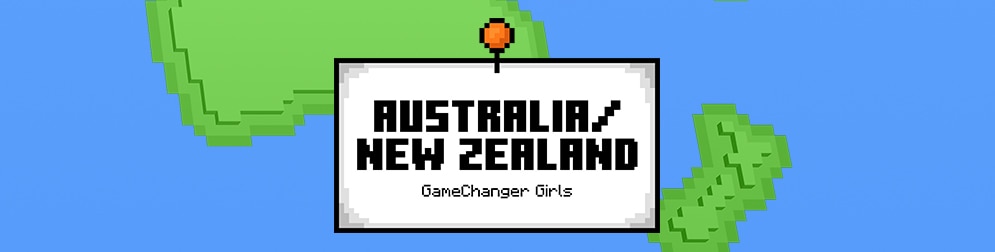
GameChanger Girls operates as a distributed network across Australia and New Zealand, with growing international participation. Girls play one another’s games, exchange feedback, create promotional materials, and see themselves as part of a creative global movement.
This sense of belonging is crucial at an age when many girls begin to disengage from STEM because it feels isolating or “not for them.”
Expanded Opportunities (Side Quests)
In addition to its core program, GameChanger Girls supports students in external STEM and esports opportunities, including:
- Girls Who Game (Dell-sponsored) design challenges
- Girls in Gaming tournament days
- FUSE Cup Minecraft Tournaments
- Australian STEM Video Game Challenge
- Games for Change Student Challenge
These opportunities offer visibility, industry exposure, and a bigger picture of what STEM can look like.
Confidence, Leadership, and Agency
Teachers consistently report powerful transformations beyond technical skills. Girls who were once shy or socially isolated often emerge as team leaders—facilitating collaboration, managing resources, advocating for ideas, and taking ownership of what they build.
Students develop the confidence to:
- Lead their peers
- Create and defend their designs
- Navigate team dynamics
- See themselves as capable STEM learners
One student who had struggled socially became a respected team leader by the end of the program and was recognized for her creativity, leadership, and expertise.
Educators as Facilitators, Not Experts
The program thrives because of committed teachers, often running clubs at lunchtime or after school. But crucially, teachers do not need to know every Minecraft command block. Their role is to facilitate, encourage collaboration, and create conditions for learning. Technical challenges are supported through community mentoring, reinforcing that problem solving—not mastery—is the essential skill.