IMG-LOGO

GameChanger Girls: Using Esports as an OnRamp to STEM Identity, Skills, and Careers

26 Jan 2026 Minecraft Education Esports around the world

From Play to Possibility

In the middle school years, girls’ participation in STEM often drops sharply. GameChanger Girls was built to change that trajectory—not by trying to “fix” girls or make STEM more palatable, but by radically reframing how girls experience technology.

Founded by Dr. Bronwyn Stuckey, Director of Innovative Educational Ideas, the program flips the script. Girls aren’t passive users clicking buttons—they're creators, system thinkers, designers, collaborators, and leaders.  

“As an educator,” Bronwyn explains, “the gold standard is when young people create rather than consume.”

Using community-driven esports and game design, GameChanger Girls turns play into a powerful gateway to STEM identity, confidence, and real-world skills.

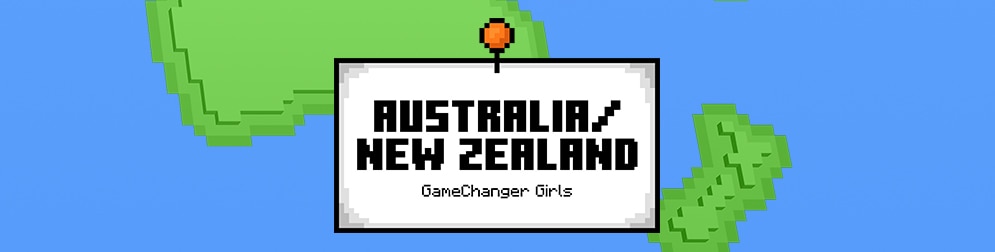
A card that says "Australia / New Zealand GameChanger Girls" is pinned on a blue pixel map.

Program at a Glance

  • Audience: Girls aged 10–15
  • Cost: No-cost global program
  • Format: School-based teams in a distributed, international community
  • Focus: Game design, computational thinking, collaboration, and identity development
  • Platform: Minecraft Education
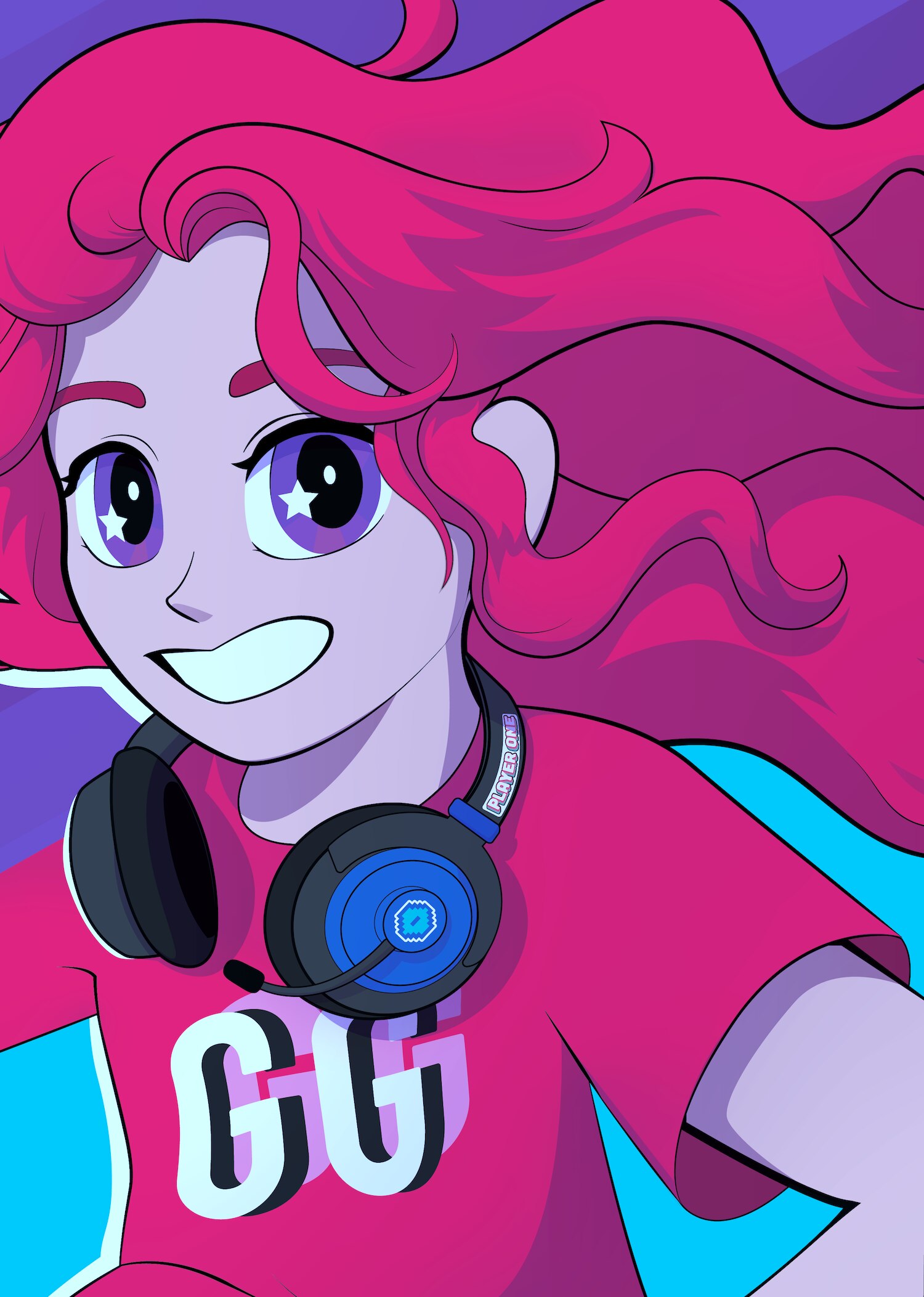
A girl with red hair, a headset resting around her neck, and a red t-shirt with a "GG" logo on it is smiling.

GameChanger Girls art by Elorah Gillispie

A Global Esports Community for Girls Aged 10–15

GameChanger Girls is a creative, collaborative esports and game design community where girls explore, design, test, and share games they build themselves. After the first pilot, participants were clear about what they wanted next:

  • Play games designed by other girls
  • Meet other girl game designers
  • Feel part of something beyond their own school 

Throughout the year, students move through a structured cycle of exploration, design, playtesting, community engagement, and tournaments—contributing to a global ecosystem of student-made multiplayer worlds.

The Core Idea: Girls as Designers, Not Players

At the heart of the program is a simple but radical shift: students design the games.

Teams build original multiplayer experiences in Minecraft and share them with their peers across regions and countries. Their games are reviewed using structured criteria such as playability, design clarity, mechanics, fun factor, and tournament viability.

Tournaments exist, but they are not the focus—they offer visibility and celebration. The real learning lives in the design process:

  • Imagining and negotiating game mechanics 
  • Prototyping and iterating
  • Solving technical problems
  • Responding to peer feedback

“This is not about winning,” Bronwyn emphasizes. “The biggest part for them is designing a game, getting feedback from other girls, and seeing the different directions play can take.”

Program Model: Explore · Design · Feedback · Tournament

The GameChanger Girls’ four-part cycle anchors the entire experience:

  1. Explore
    Girls analyze existing games, study genres, and develop systems thinking.
  2. Design
    Teams prototype ideas, build collaboratively, and gain technical competencies in world-building, logic, sequencing, and command blocks.
  3. Feedback
    Participants learn productive critique, empathy, communication, and how to iterate based on peer input.
  4. Tournament
    Students evaluate how design choices perform under real constraints and gain confidence from public recognition.

This model ensures that girls engage as creators first, competitors second.

Minecraft as a STEM Sandbox

Minecraft Education is used because it is accessible, extensible, already widely adopted in schools, and allows students to move fluidly from visual design to deeper technical thinking.

As girls build, they naturally encounter:

  • Computational thinking
  • Logic and sequencing
  • Systems design
  • Prototyping and testing
  • Command blocks and coding
  • Iteration and debugging

As Bronwyn puts it, when girls want something to happen in their game, “the question becomes: How do we make that happen? That’s when the learning really kicks in.”

What Girls Build

Student-designed games are inventive, ambitious, and often deeply personal. Teams have created:

  • Escape rooms and parkour challenges
  • Logic puzzles and mazes
  • Narrative quests rooted in social or cultural themes
  • Hybrid PvP systems designed on their own terms

One memorable world shrank players inside a giant room, forcing them to navigate altered scale and perspective—literally changing how players see the world. Competition shows up—but always in service of creativity and systems thinking.

A Community-Driven Esports League

GameChanger Girls operates as a distributed network across Australia and New Zealand, with growing international participation. Girls play one another’s games, exchange feedback, create promotional materials, and see themselves as part of a creative global movement.

This sense of belonging is crucial at an age when many girls begin to disengage from STEM because it feels isolating or “not for them.”

Expanded Opportunities (Side Quests)

In addition to its core program, GameChanger Girls supports students in external STEM and esports opportunities, including:

  • Girls Who Game (Dell-sponsored) design challenges
  • Girls in Gaming tournament days
  • FUSE Cup Minecraft Tournaments
  • Australian STEM Video Game Challenge
  • Games for Change Student Challenge

These opportunities offer visibility, industry exposure, and a bigger picture of what STEM can look like.

Confidence, Leadership, and Agency

Teachers consistently report powerful transformations beyond technical skills. Girls who were once shy or socially isolated often emerge as team leaders—facilitating collaboration, managing resources, advocating for ideas, and taking ownership of what they build.

Students develop the confidence to:

  • Lead their peers
  • Create and defend their designs
  • Navigate team dynamics
  • See themselves as capable STEM learners

One student who had struggled socially became a respected team leader by the end of the program and was recognized for her creativity, leadership, and expertise.

Educators as Facilitators, Not Experts

The program thrives because of committed teachers, often running clubs at lunchtime or after school. But crucially, teachers do not need to know every Minecraft command block. Their role is to facilitate, encourage collaboration, and create conditions for learning. Technical challenges are supported through community mentoring, reinforcing that problem solving—not mastery—is the essential skill.

A Minecraft-style cow and cat are looking at a monitor on a computer desk.

Pathways, Not Pipelines

GameChanger Girls does not promise careers in gaming or esports. Instead, it unlocks possibilities. Through mentoring, exposure to women in game design, and participation in broader STEM and esports competitions, girls begin to imagine futures in software development, systems design, digital art, engineering, or technology leadership.

“It’s about identity as much as skill,” Bronwyn notes.

Gaming as the OnRamp, STEM as the Destination

GameChanger Girls uses esports and game design as the onramp—not the endpoint.

Success looks like girls who:

  • See themselves as designers and problem solvers
  • Collaborate with confidence
  • Give and receive meaningful feedback
  • Take ownership of their intellectual work
  • Imagine themselves in STEM futures

“Let the kids play and watch what they do,” Bronwyn says. “They’re immersed.”

GameChanger Girls is not a competition program. It is a learning community. It’s not about games; it’s about what girls become when they are trusted to create.

Ready to Press Start?

From challenges, playbooks, and lesson plans, Minecraft Education has everything you need to bring inclusive esports and game design to your learners. Get started today.