"Who Can We Play?" — How One Question Built a League
16 Jul 2026
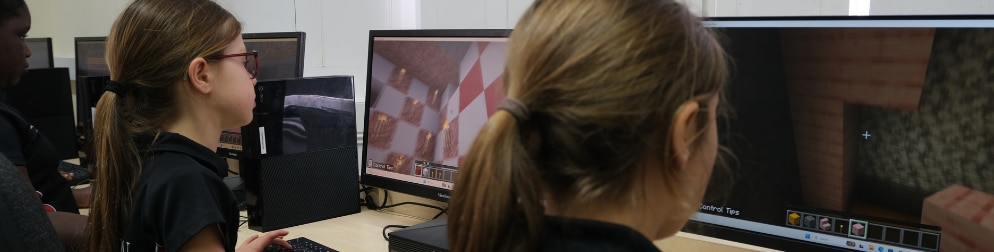
Guest blog by Chris Lovell, Head of Computer Science at Thornton College, a school for girls aged 3-19 in England.
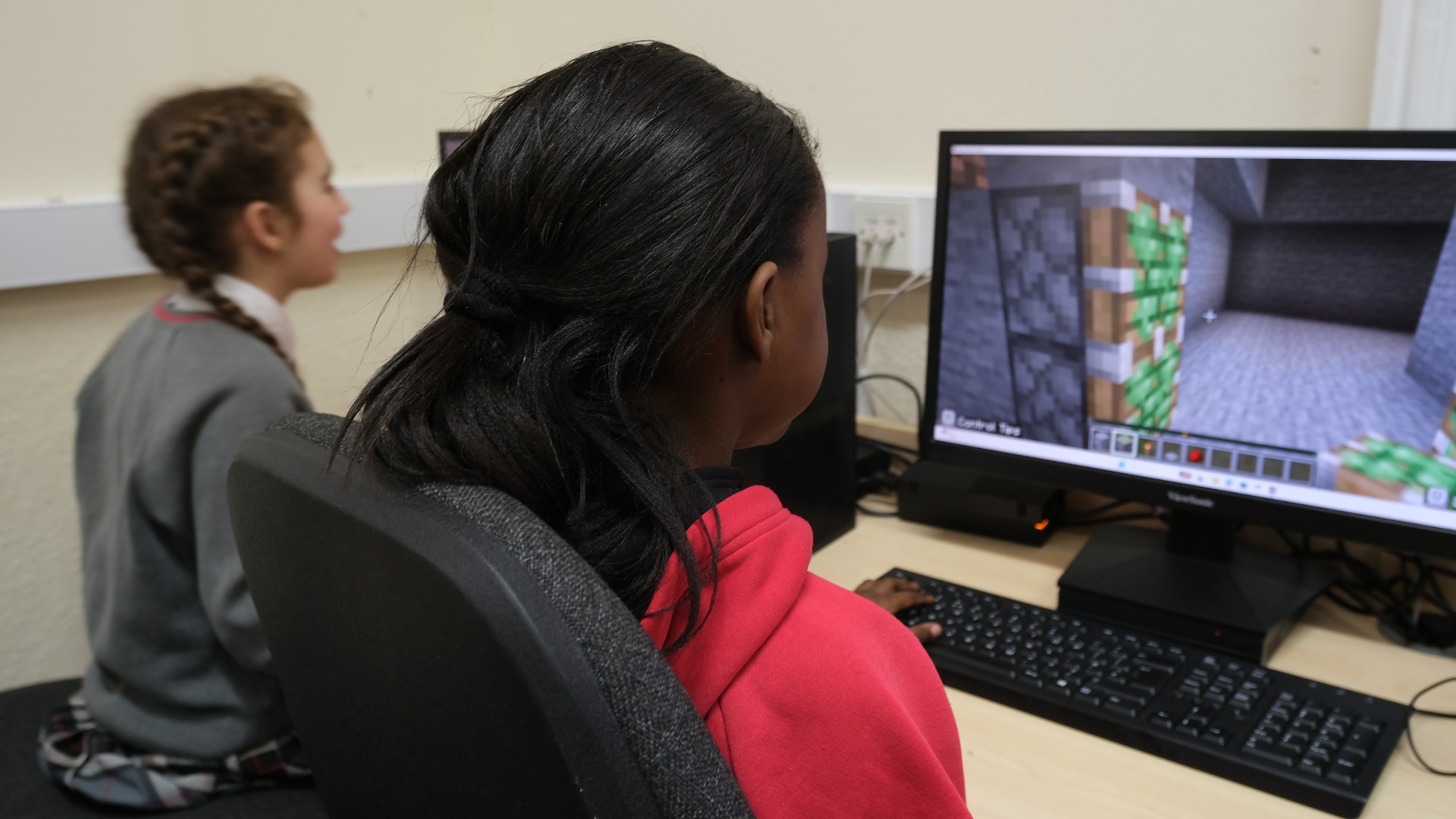
In England, we face a familiar global challenge: women and girls remain underrepresented in STEM. Just 21% of students taking GCSE Computer Science—the English equivalent of a US high school diploma subject—were girls in 2023. At our all-girls school, we have long taken an intentional approach to fostering belonging in computer science from the earliest years. Our pupils develop computational thinking, digital design and coding skills through their lessons. Yet they wanted more. Our esports competitions began with friendly matches between groups of students organised in lunchtime clubs. Then came the questions: Who can we play? When can we have a match? The hunger was unmistakable—the same drive that fuels our netball and hockey teams, now directed toward screens and servers. They wanted esports.
The impact has been measurable. Since introducing esports at all levels throughout our school, uptake of GCSE Computer Science—an optional qualification taken at age 14—has more than tripled.
The Gap We Found
We initially entered national esports competitions with impressive facilities and professional setups. Yet these proved daunting for students and teachers finding their feet. At the senior school level, many competing institutions fielded elite-level esports coaches and highly skilled players with years of dedicated practice. For our developing pupils, the gulf in experience was overwhelming. Although the girls remained positive, I don’t think we learned a great deal from these matches.
Appropriate matchmaking matters—C team versus C team, A team against A team. No school would field their third XI hockey team against a national hockey champion school. The national programmes we encountered had not solved this problem. There was no mechanism for fair, developmental competition for schools building programmes from scratch.
So, we built our own.
Building It Ourselves: A Practical Guide
I posted a brief announcement on social media. Within days, four schools had replied. Here is what we learned.
Start with what you have. We already held Minecraft Education licenses through our Microsoft subscription, making the platform immediately accessible without additional procurement. More critically, Minecraft Education is engineered for school scenarios: built-in safeguarding, teacher moderation tools, and no exposure to public servers or unvetted participants. This security architecture made it the natural choice for competitive play across several institutions.
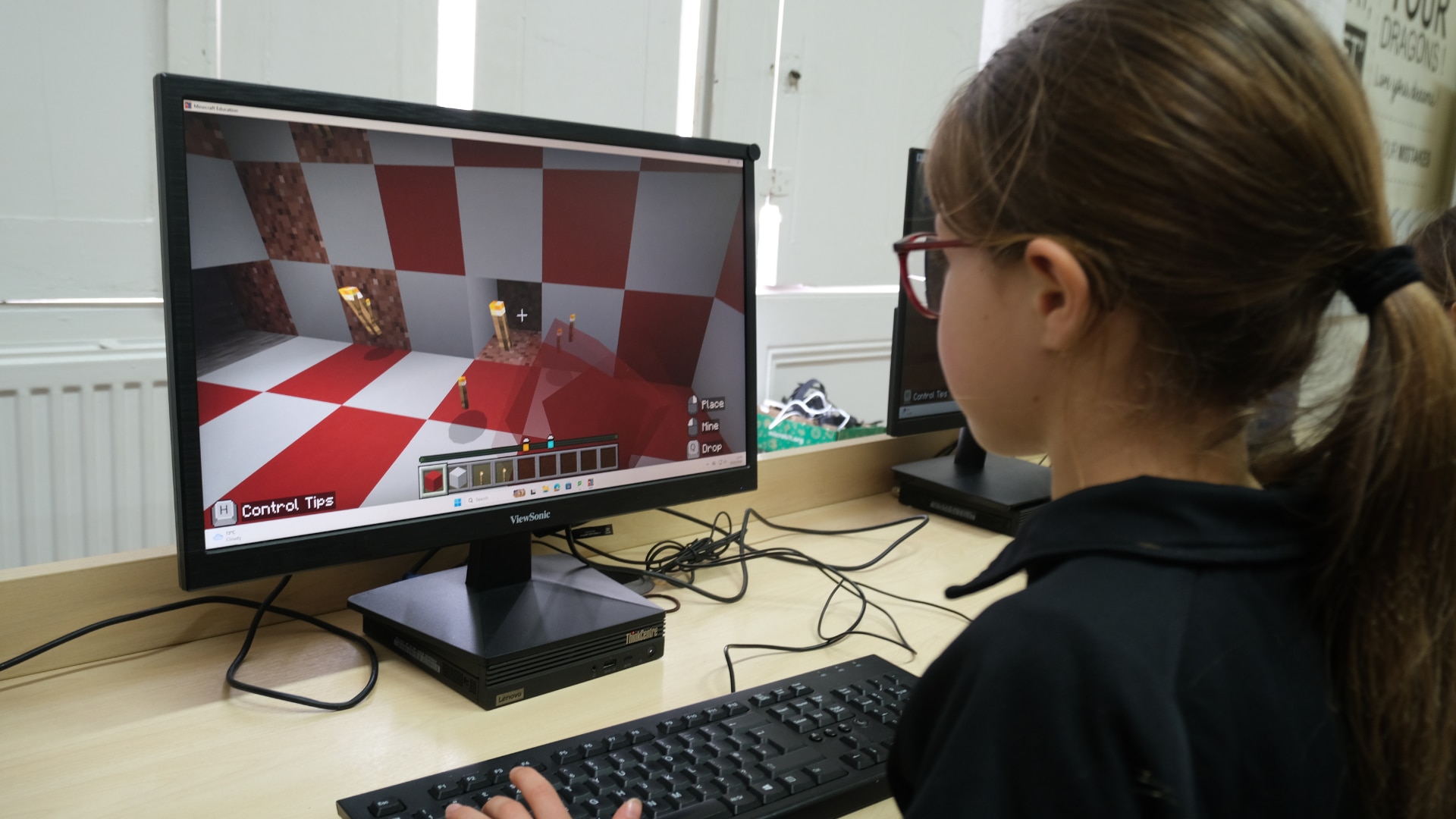
Choose your format wisely. We selected build battles deliberately. They offer a low barrier to entry: almost every Minecraft player knows how to build, yet the ceiling is high—from simple structures to complex Redstone circuitry and engineering. This rewards creativity, collaboration and communication, and allows every girl to contribute meaningfully from day one while leaving room for genuine technical growth.
Use established resources. The Minecraft Education Esports Playbook became our foundation. It offers high-level guidance for building programmes, technical guidance for running classroom challenges and tournaments, competition rubrics, and step-by-step guidance for creating inclusive and engaging esports experiences. The Minecraft Esports Club Toolkit assists teachers to establish clubs where students learn leadership, coaching, communication and teamwork alongside competition skills.
Unlike consumer Minecraft, Minecraft Education gives you complete control: you host worlds on your own school devices, deciding exactly which schools and accounts can join. No public servers, no unexpected visitors—just invited competitors and supervising teachers.
Technical requirements are modest. Most existing school computers handle the software easily. We simply host the world on school devices, share the join code with invited schools, and moderate the session directly.
Find your allies—and assess honestly. The critical step was identifying like-minded teachers in responding schools. Equally important: frank conversations about skill levels. We now begin every new partnership with a friendly, unranked fixture to gauge appropriate matchups. This transparency protects developing players from demoralising losses and challenges advanced players appropriately.
Prioritise safeguarding. Our school-hosted worlds ensure only approved participants join. We add layers: teacher moderators in every match, clear rules for engagement agreed by all schools, and data protection protocols. Minecraft Education's CyberSafe resources help pupils understand online safety alongside technical skills.