Learning Through Play: Five Engaging Missions
Cloud Community is designed as a 45–60-minute classroom experience, made up of five connected missions. Each one blends gameplay with real‑world STEM concepts and classroom standards. Students also encounter careers like sustainability engineer, cybersecurity analyst, datacenter technician, and AI specialist. Here’s an overview of the missions:
1. If we build it…
Students kick things off by constructing the datacenter itself. They gather materials, operate machinery, and assemble the facility using low‑carbon concrete and recycled steel.
What students learn:
- Why AI growth requires new infrastructure
- How sustainable building choices reduce environmental impact
- How local design decisions affect a broader community
2. Stay Cool
Datacenters heat up fast, and keeping servers cool is critical. In this puzzle‑based challenge, students connect water pipes to restore a cooling system before things overheat.
What students learn:
- Why cooling is essential for efficiency and safety
- How water‑based cooling systems work
- Systems thinking and cause‑and‑effect logic
3. Cartside Computing
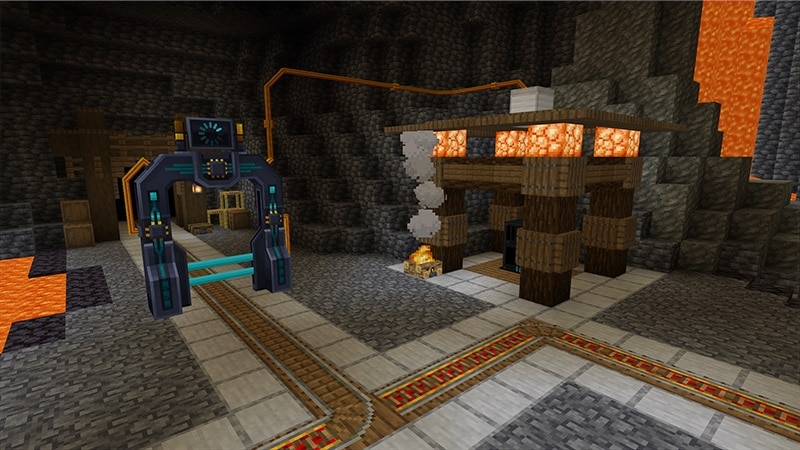
Deep in a diamond mine, students experience how latency slows AI decision‑making. By repairing an edge node, they bring computing to where it’s needed and dramatically improve response time.
What students learn:
- What latency is and why it matters
- How edge computing brings processing closer to users
- Real‑world connections to gaming, AI, and automation
4. Power Up!
As demand spikes, students must keep the datacenter powered using renewable energy sources like solar and wind, with hydrogen backup when conditions change.
Weather shifts, costs fluctuate, and teamwork becomes essential.
What students learn:
- Trade‑offs between different energy sources
- Why balancing renewables is critical
- How sustainability and reliability work together
5. SecOps: Cybersecurity in Action
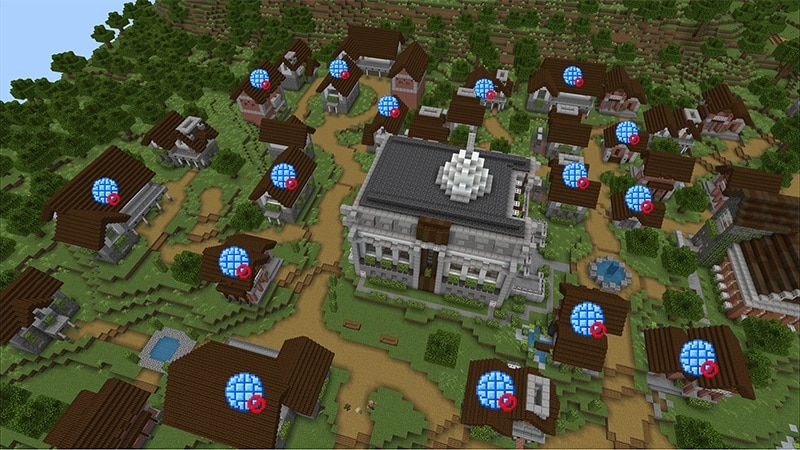
In the final mission, students step into a simulated Security Operations Center (SOC). Using a fast‑paced, game‑style interface, they identify threats, investigate alerts, and see how AI supports human analysts.
What students learn:
- How cybersecurity protects infrastructure and communities
- The difference between false and true positives
- How humans and AI collaborate to manage complex systems