The goal wasn’t to replace traditional learning or sport, but to reimagine how learners engage using something familiar, flexible, and fun to open new pathways into teamwork, digital fluency, and self-belief.
Building Belonging Through Esports
One of the core achievements of the WRU's Minecraft initiative is its ability to bring together learners from different backgrounds in a way that promotes inclusivity and teamwork. The program is designed to be accessible to every learner in Wales, regardless of their educational setting.
James Thomas, who works with the Welsh Government's Digital Learning Division, emphasizes the program's extensive reach:
"We’ve had tremendous success and incredible reach. This program is available to every learner in Wales, whatever their background, whatever their kind of school setting, be that primary, additional learning needs, or secondary. There’s no real limit to where this could go."
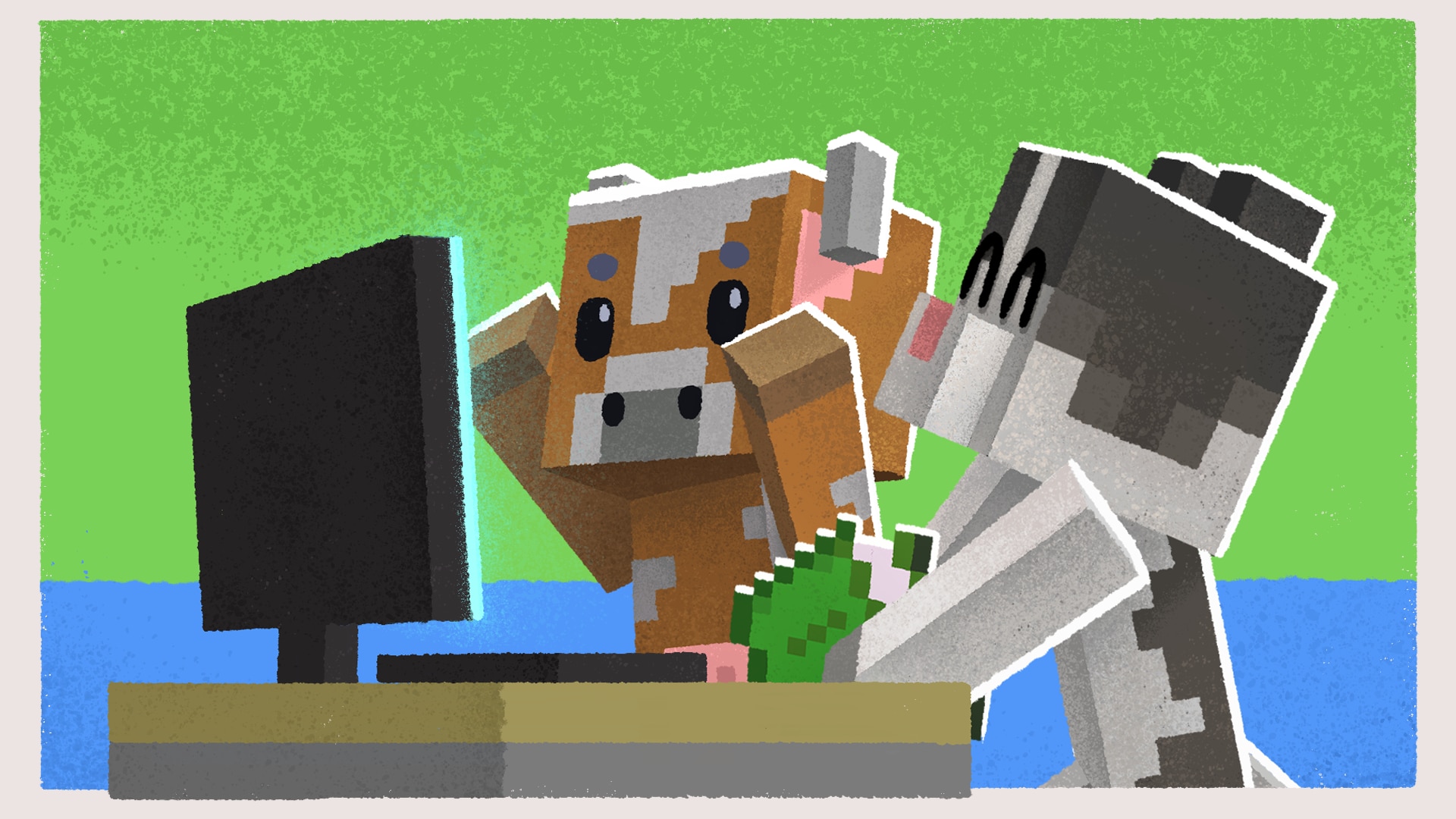
In each timed build challenge, teams of eight learners—six builders and two researchers—work in the same shared Minecraft world, dividing roles, negotiating ideas, and building toward a single vision.
Grant Robson, Education Officer with the Welsh Rugby Union, notes: "The best thing about Minecraft is that the learners work in collaboration."
This collaborative environment allows students to engage with each other in meaningful ways, breaking down barriers, and fostering a sense of community. In this context, Minecraft esports are timed, team-based build challenges run inside Minecraft Education. Teams are evaluated using a clear rubric that acts like game rules—rewarding collaboration, creativity, and how well their build responds to the challenge.
Learning by Building
James highlights the versatility of Minecraft Education: "The power of Minecraft is that it can be used across a whole variety of subjects, across the whole school. It enhances digital fluency and learning."
By integrating Minecraft into the curriculum, educators can provide immersive learning experiences that resonate with learners.
Through real-time Minecraft building challenges aligned with the Curriculum for Wales, learners can collaborate and problem-solve in creative and purposeful ways. Challenges can be themed around Welsh heritage, such as legends and castles, or explore topical issues, enabling engagement across multiple Areas of Learning and Experience.
The program not only builds technical skills but also encourages critical thinking and creativity. Grant describes the challenges faced by the teams:
"Learners were challenged not just in terms of the depths of their thinking around the theme, but also how effective their build would be, how they work collaboratively as a team, and how they communicate effectively."
The partnership aligns clear roles: Hwb provides national access and educator support; the Welsh Rugby Union supplies the sporting context and outreach; Esports Wales operates the competitions; and Minecraft Education is the creative platform for learning. Mike Morgan, Head of Product and Data for the WRU, highlighted the uniqueness of this alliance:
"The uniqueness of this project is that you had three large brands in Wales—the WRU, Hwb, and Minecraft—all aligned with the same goal and the same purpose. I’ve never seen a project before where you have a national governing body and a huge tech brand come together, all for the benefit of the student as the end user."
Part of the reason this collaboration works so well is the cultural significance of rugby in Wales. Mike offers his take on the cultural import:
"Rugby is in the DNA of Wales. To take that sport, and that history, and to connect it to a platform like Minecraft Education, it’s just kind of blown the doors off what we can do to get learners more engaged."
Moreover, the initiative underscores shared values such as integrity, excellence, humor, and family—not just within the WRU but across educational institutions in Wales. These values are instilled in learners as they participate in the program, reinforcing important life skills. These values are reinforced by rubric-based judging, which rewards collaboration, communication, and creative problem-solving.