IMG-LOGO

Building History Block by Block: Teaching European Explorers Through Minecraft in a Low-Tech Classroom

12 Mar 2026 A collage showing a pixel art grid drawing of a building, a teacher helping a student at a computer, and students working at computers in a classroom.
Guest blog by Gary Garbutt


I first used Minecraft Education long before I ever arrived in Cambodia.

While teaching in China, I experimented with Minecraft Education at the university and high school levels, using it alongside digital platforms like Cambridge English: Adventures in English World. At the time, I wasn’t thinking about innovation or impact. I was simply curious about how immersive worlds could change the way students engaged with language and content.

Before moving to Cambodia, I also invested time in professional development courses focused on digital learning. That meant when I arrived, I had already seen what was possible when learning moved beyond worksheets and textbooks. That background shaped one of the most challenging and rewarding projects I’ve run so far.
Teaching History in a School with Almost No Technology

I currently teach in Cambodia at a school with a very limited technology infrastructure. Our computers run outdated software, internet access is unstable, and there is no one-to-one device program. Minecraft Education had never been used there before, and to my knowledge, no school in the country was using it in a structured way.

Despite that, I wanted my students to experience learning that felt creative, meaningful, and modern.

My Grade 6 Social Studies unit focused on early European explorers to Canada. Traditionally, this topic is taught through reading passages, timelines on paper, and short written reports. Students often memorize names and dates but struggle to see explorers as real people with journeys, decisions, and consequences.

I wanted them to build history, not just write about it.

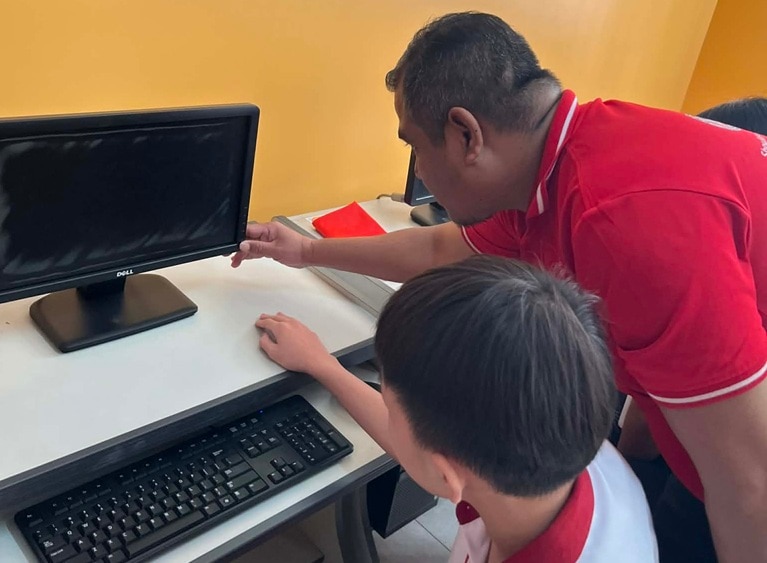
A teacher points at a desktop computer screen while helping a student in a classroom.

The Project: Explorers, Timelines, and a Biography Museum

Each student selected two European explorers. Their task was to:

  • Research the explorer’s life and key journeys
  • Create a clear historical timeline
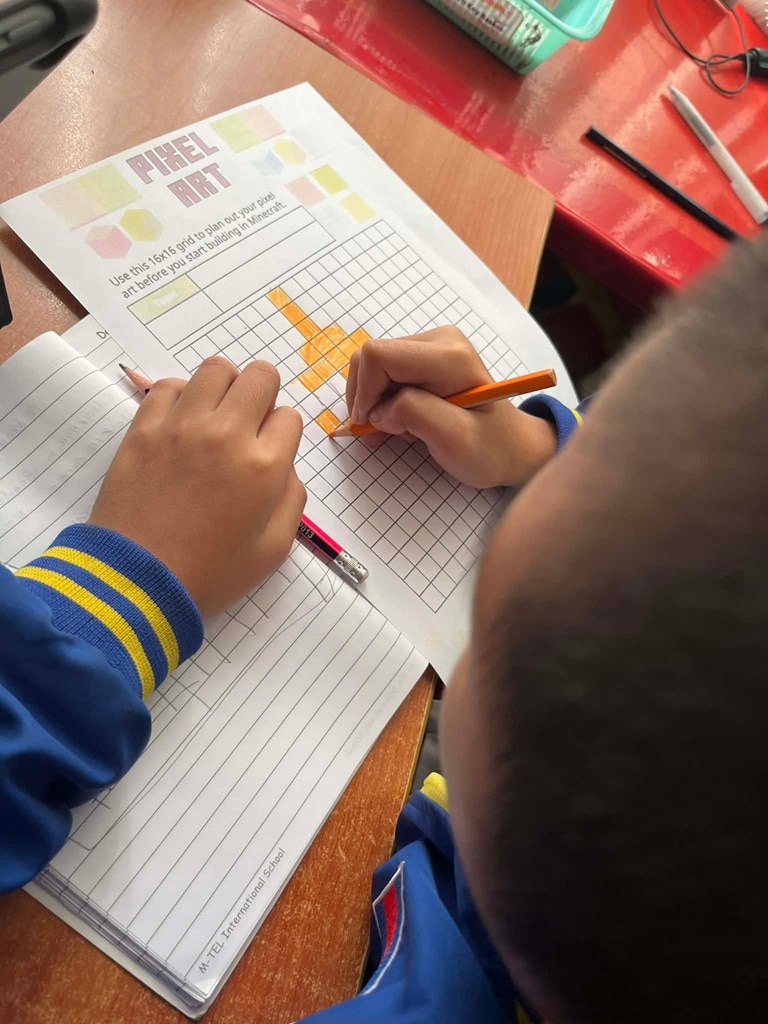
  • Design a pixel art statue of the explorer
  • Build a biography museum inside Minecraft Education

Inside the museum, students presented timelines, facts, and written explanations. The pixel art statues acted as historical monuments. Minecraft became the space where history, literacy, and creativity met.

Students weren’t passive learners. They were historians, designers, and storytellers.

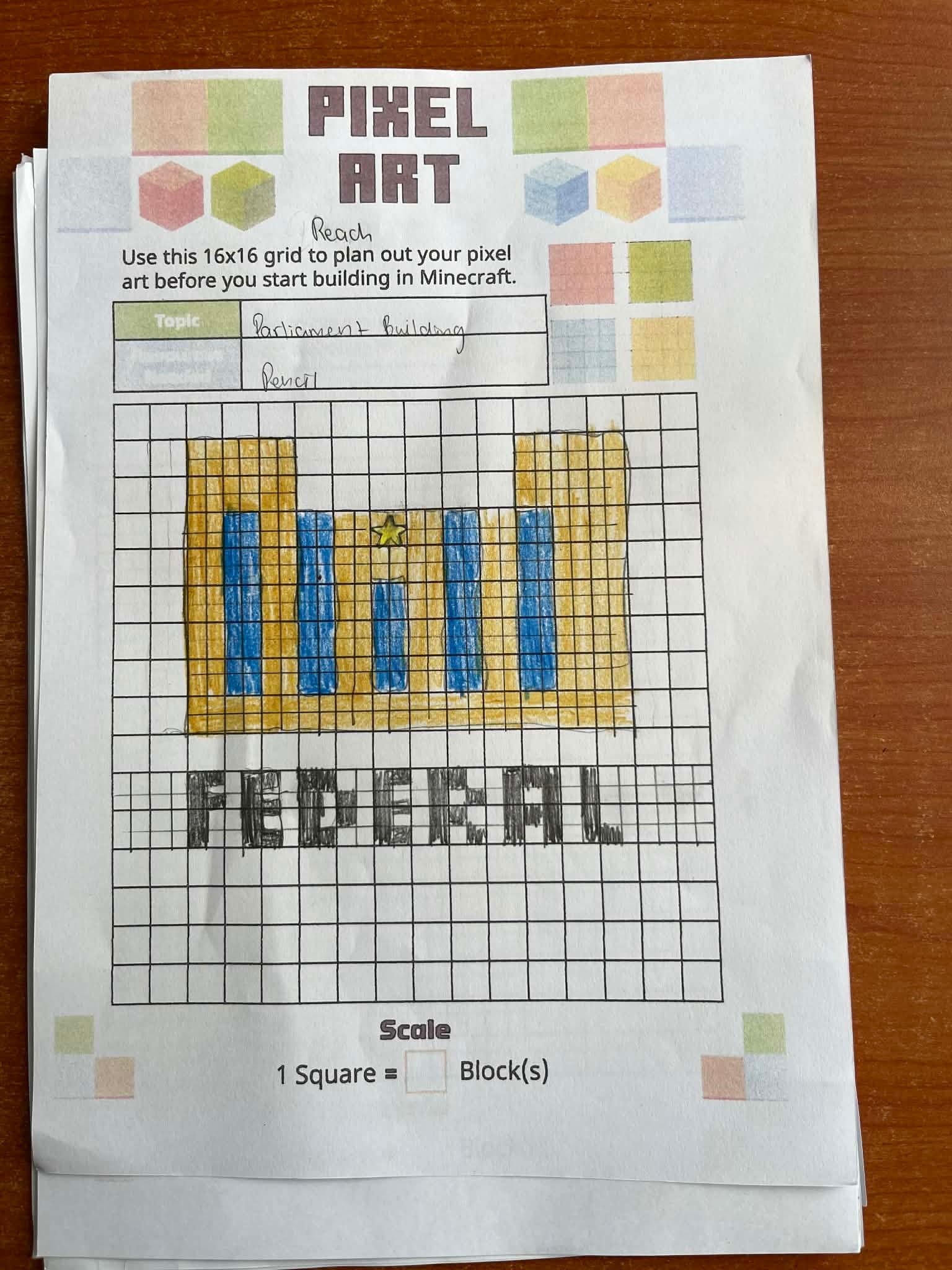
A student uses an orange pencil to draw pixel art on a 16x16 grid planning worksheet at their desk.

Making It Work Without the Right Tools

The biggest challenge was access.

Our school did not have enough devices to support the project, so I brought my own iPads and laptops into school. With permission, students were also allowed to bring their own devices, which was a new concept for our school community.

Internet access was unreliable, and I only had two Minecraft Education subscriptions. Students had to use my accounts, which meant I couldn’t manage the class from one screen. I spent lessons constantly walking around, checking progress, troubleshooting, redirecting attention, and helping students stay focused.

It wasn’t smooth.

It wasn’t efficient.

But it was real teaching.

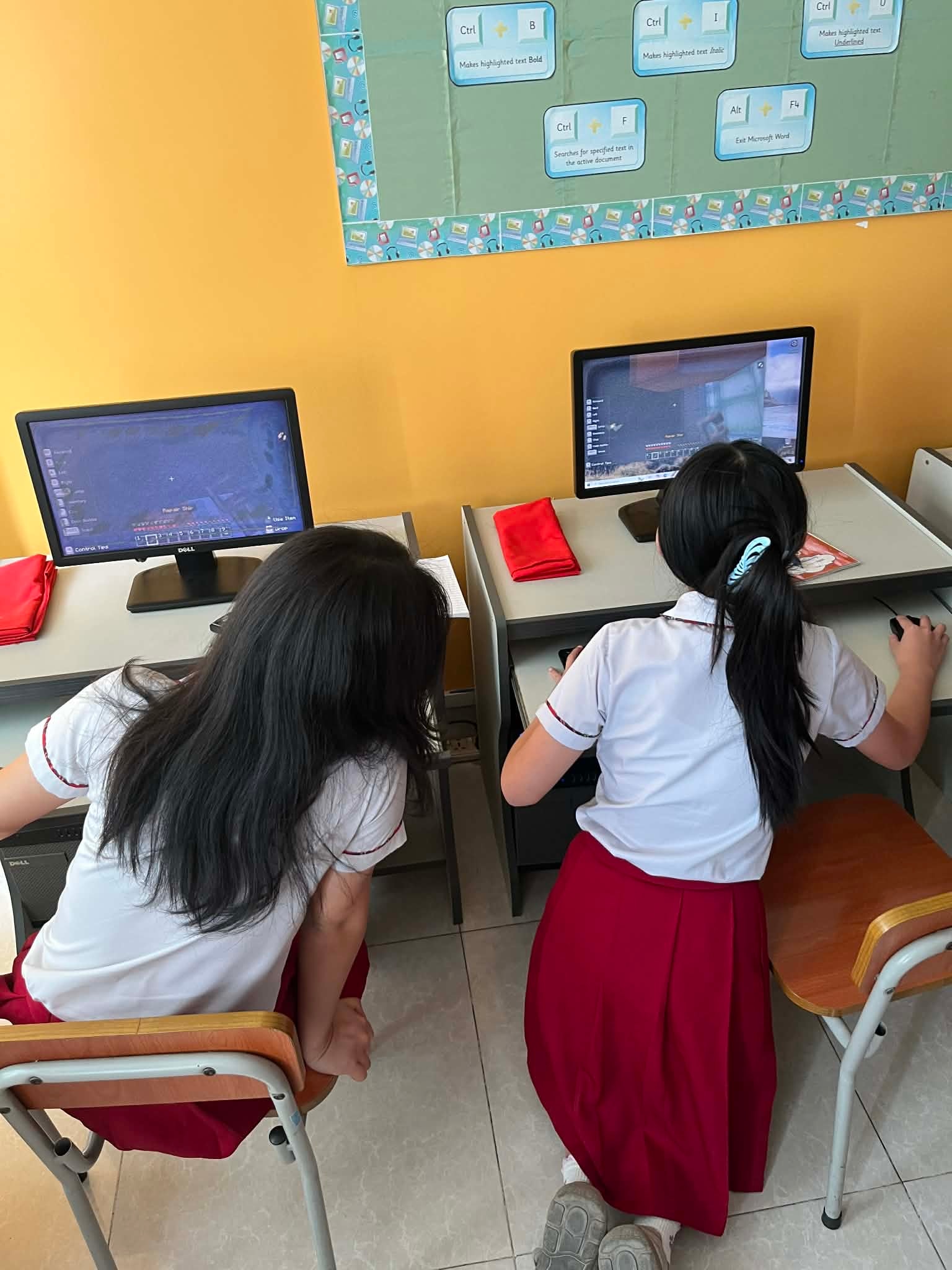
Two students in school uniforms play on desktop computers in a classroom.

When Minecraft Became a Lesson in Responsibility

Not every student stayed on task.

Many of my students already played Minecraft and Roblox at home, and the number one reason given for unfinished homework was gaming. Some students treated Minecraft like esports rather than a learning tool.

Instead of shutting the project down, we paused.

We talked openly about:

  • Following instructions
  • Managing time
  • Staying focused on a goal
  • The difference between playing and creating

For many students, this was the first time technology clearly reflected their habits back to them. Minecraft didn’t just teach history. It taught responsibility.

Some students didn’t complete the task fully, and that was part of the learning. Not every lesson needs a perfect outcome to be a meaningful one.

From Classroom to Community

Once the projects were completed, I shared the students’ work with the school principal. While the school isn’t currently able to invest in new computers or updated systems, the response was encouraging.

To extend the project beyond the classroom, we created a Minecraft notice board displaying student research, timelines, sketches, and preparation work.

On Parents’ Day, families stopped, read, and listened as students proudly explained what they had built and learned. Parents were excited to see:

  • Their children confidently explaining history
  • Evidence of real research and planning
  • Learning that felt creative rather than repetitive

The pride students felt was unmistakable.

A student's pixel art planning worksheet with a colorful drawing of a building on a 16x16 grid.

Beyond Social Studies

Following this project, I continued using Minecraft Education with my Grade 6 students for:

Each time, the same challenges appeared: limited devices, unstable internet, and shared accounts. But each time, student engagement was high. Minecraft became a bridge between subjects, allowing students to practice English while learning social studies and digital citizenship skills.

Minecraft Educator’s Teachers’ Lounge

One of the most valuable parts of my journey as a Minecraft educator has been being a member of the Minecraft Ambassadors group. Through this community, I have been able to connect with passionate educators from around the world who are all using Minecraft Education in creative ways in their classrooms. It is a supportive space where teachers freely share ideas, activities, and solutions.

Whenever I run into a challenge or need inspiration for a lesson, the group is always there to help. The willingness of educators to share their experiences and advice makes a real difference, especially when teaching in a low-tech environment like my school in Cambodia. Andy has been incredibly helpful when I’ve needed guidance or clarification.

Seeing how teachers across different countries use Minecraft Education has given me countless ideas that I can adapt for my own classroom. At the same time, it feels rewarding to contribute back to the community and share activities that work well with my students. This group has become an important source of collaboration, inspiration, and professional support as I continue developing Minecraft-based learning in my school.

Reflection: Innovation Isn’t About Equipment

Looking back, my experience teaching in China, my early use of Minecraft Education, and the training I completed before arriving in Cambodia all mattered. They allowed me to see possibilities where others understandably saw limitations.

Innovation isn’t about having the newest devices. It’s about intention, preparation, and persistence.

Minecraft Education didn’t replace teaching in my classroom. It amplified it, even in an environment where resources were limited, and conditions were far from ideal.

Sometimes, moving education forward doesn’t require perfect infrastructure. Sometimes it just takes a few borrowed devices, a lot of walking around the classroom, and the willingness to try something new.