Build digital citizenship and safety skills in CyberSafe: Bad Connection?

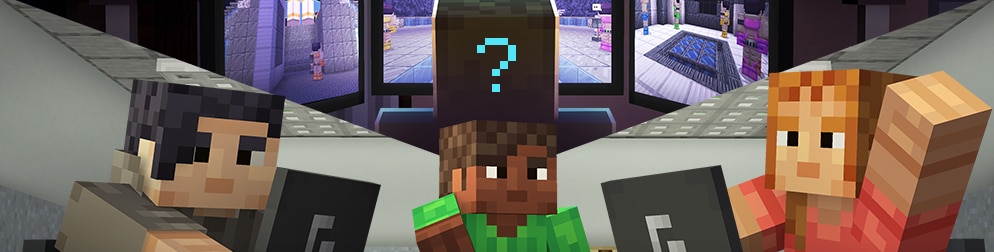
10 Feb 2026 Three Minecraft characters with laptops, expressing confusion.
Online communities and games are powerful places for creativity, collaboration, and connection. For many young people, they’re where friendships form, teams come together, and players learn how to navigate relationships through shared play. These connections matter, especially as students explore community and belonging both online and offline.

Learning how to safely navigate these conditions matters too. Many online interactions are positive, but it’s important to recognize when they aren’t. Sometimes a conversation that starts out positive slowly shifts, while other times a new connection raises questions right away. A joke becomes pressure. A request feels uncomfortable, even if nothing is obviously “wrong.” Learning to recognize those moments and choices helps young people protect the connections that make gaming creative, social, and fun, and to know when to step back when something doesn’t feel right.

This Safer Internet Day, Minecraft Education is introducing CyberSafe: Bad Connection?, the fifth world in our free CyberSafe series developed in partnership with the Trust & Safety teams at Mojang, Xbox and Microsoft. Designed for students ages 11–14, this story-driven experience invites learners to explore how online interactions can change and what they can do in response. They will practice what to notice, what questions to ask, and what steps to take when something doesn’t feel right, building confidence, agency, and digital citizenship skills.
WELCOME TO CYBERSAFE: BAD CONNECTION?

CyberSafe: Bad Connection? is a free Minecraft learning experience that is a response to growing online risks related to manipulation, peer pressure, and bad actors. Since 2022, the CyberSafe series has supported millions of learners worldwide through engaging, age-appropriate experiences that model healthy online behaviors.

Rather than discouraging young people from connecting online, CyberSafe focuses on helping students explore real-world situations in a safe, supportive environment, building awareness and confidence through relatable in-game scenarios. The series includes classroom-ready materials for teachers and a family guide to encourage learning and spark conversations at home.

Bad Connection? extends this approach by focusing on moments that are ambiguous, where boundaries begin to shift, or where a connection doesn’t feel right. In the game, students play through a three-part interactive story set in the fun, immersive Minecraft environment. Along the way, they meet a range of characters that reflect the kinds of people young players may encounter online, from careful friends to risk-taking peers, to individuals whose intentions are less clear. As the story unfolds, learners encounter situations such as:

  • A friend encouraging others to take bigger risks
  • Messages asking for personal information
  • Interactions that feel uncomfortable or confusing, even if nothing is obviously “wrong”
  • Moments when deciding whether—and how—to speak up truly matters

Students are encouraged to pause, reflect on what they notice, and choose how to respond. They practice recognizing early warning signs, setting boundaries, and reaching out to trusted adults when something doesn’t feel right. Throughout the experience, Bad Connection? reinforces that asking for help is a positive step, and that looking out for yourself and others helps keep online spaces welcoming places to connect and collaborate. All scenarios are designed to be age-appropriate and supportive, allowing learners to engage with serious topics without fear-based or graphic content.

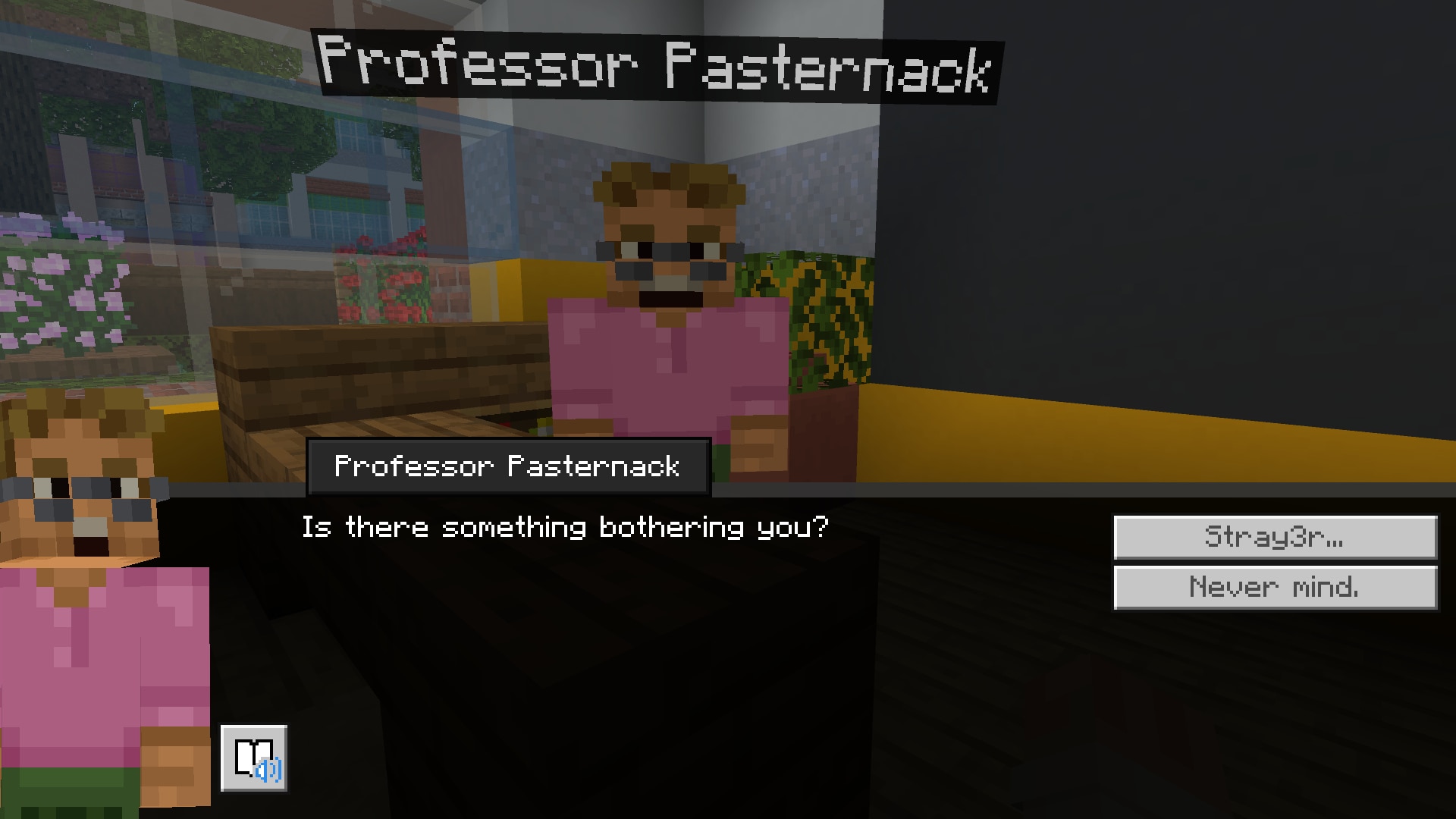
A Minecraft character named Professor Pasternack asks, Is there something bothering you? in a dialogue box.

DESIGNED WITH EXPERTS IN ONLINE SAFETY

CyberSafe: Bad Connection? was developed and tested with guidance from online trust and child safety experts with the goal of reflecting on how young people experience digital spaces. Research Psychologist and digital well-being expert Rachel Kowert consulted on the experience's scenario design, helping ensure the in-game situations reflect real patterns of online manipulation.

“We teach children to be wary of strangers, but online exploitation rarely starts as something obviously threatening,” Dr. Kowert explained. “Manipulation often unfolds through ordinary, friendly interactions that gradually cross boundaries. Because of this, it can be difficult to help someone identify warning signs through explanation alone and why it is so important they get hands-on experience in a safe environment where they can practice recognizing concerning behavior and responding confidently.”

Carlos Figueiredo, Director of Trust & Safety for Minecraft, added: “Helping young people stay safe online isn’t about telling them not to connect. It’s about giving them the confidence to recognize when something isn’t right and the reassurance that they can turn to a trusted adult for help.”

WHY CYBERSAFE MATTERS MORE THAN EVER

In recent years, organizations such as the FBI and Europol have noted growing concerns around online manipulation and recruitment efforts targeting young people. According to Microsoft’s Global Online Safety Survey, teens’ exposure to risks is rising, with 35% exposed to online hate speech, 29% to scams, and 23% to cyberbullying (see the full results here). Addressing these risks requires both strong platform protections and providing opportunities for young people to practice recognizing when situations change and understand what steps to take next, wherever they connect online.

CyberSafe: Bad Connection? supports this broader effort by helping learners build awareness and confidence in moments that aren’t always clear-cut, while continuing to encourage positive, healthy online relationships.

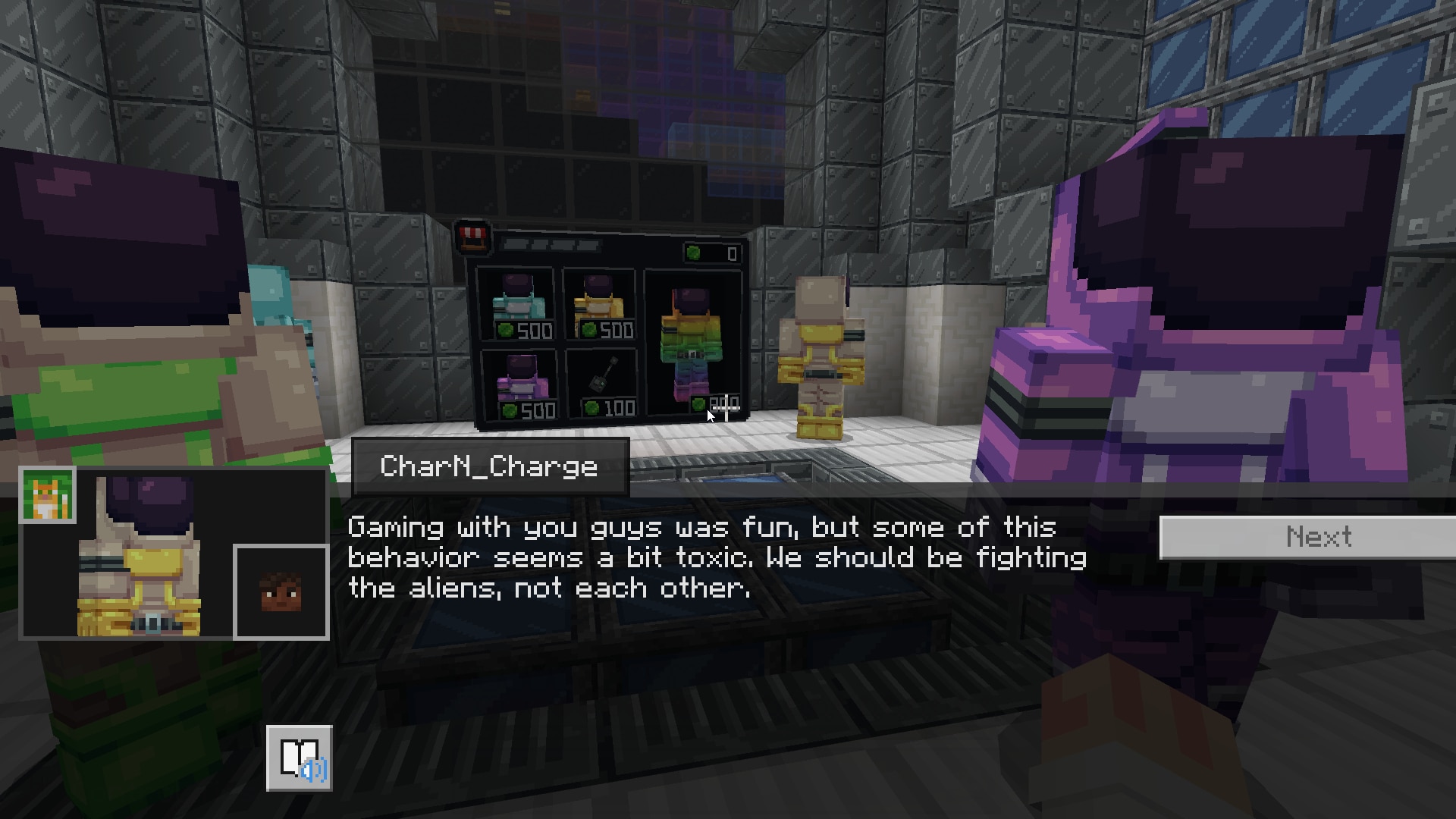
In the game scene with three Minecraft characters facing a vending machine. Text reads: Gaming with you guys was fun, but some of this behavior seems a bit toxic. We should be fighting the aliens, not each other.

SUPPORTING EDUCATORS, FAMILIES, AND COMMUNITIES

Online safety is a shared responsibility, and learning doesn’t stop when gameplay ends. In addition to the free learning experience, CyberSafe: Bad Connection? includes a complete set of supporting resources designed to help educators and families continue the conversation at school and at home, including:

  • Classroom-ready lesson plans and educator guides
  • A downloadable family toolkit for caregivers
  • Student reflection activities
  • Professional learning opportunities and educator credentials

These materials help normalize conversations about online safety, reinforce trust between students and adults, and encourage young people to seek support when they need it. By giving young people space to explore how online interactions can change — and what to do when they do —Bad Connection? supports what Minecraft does best: helping learners create, connect, and grow in ways that are safe, positive, and meaningful.

CyberSafe: Bad Connection? is available in the Minecraft Education library and free on the Minecraft Marketplace in 29 languages. Explore our Cyber collection today!

We also recently shared more about the Minecraft Safety Council, which brings together industry experts to help guide safer multiplayer experiences for the Minecraft community. Meet the Council and learn more here.

To learn more about broader efforts at Xbox around Safer Internet Day and our latest Transparency Report, visit the Xbox Wire.